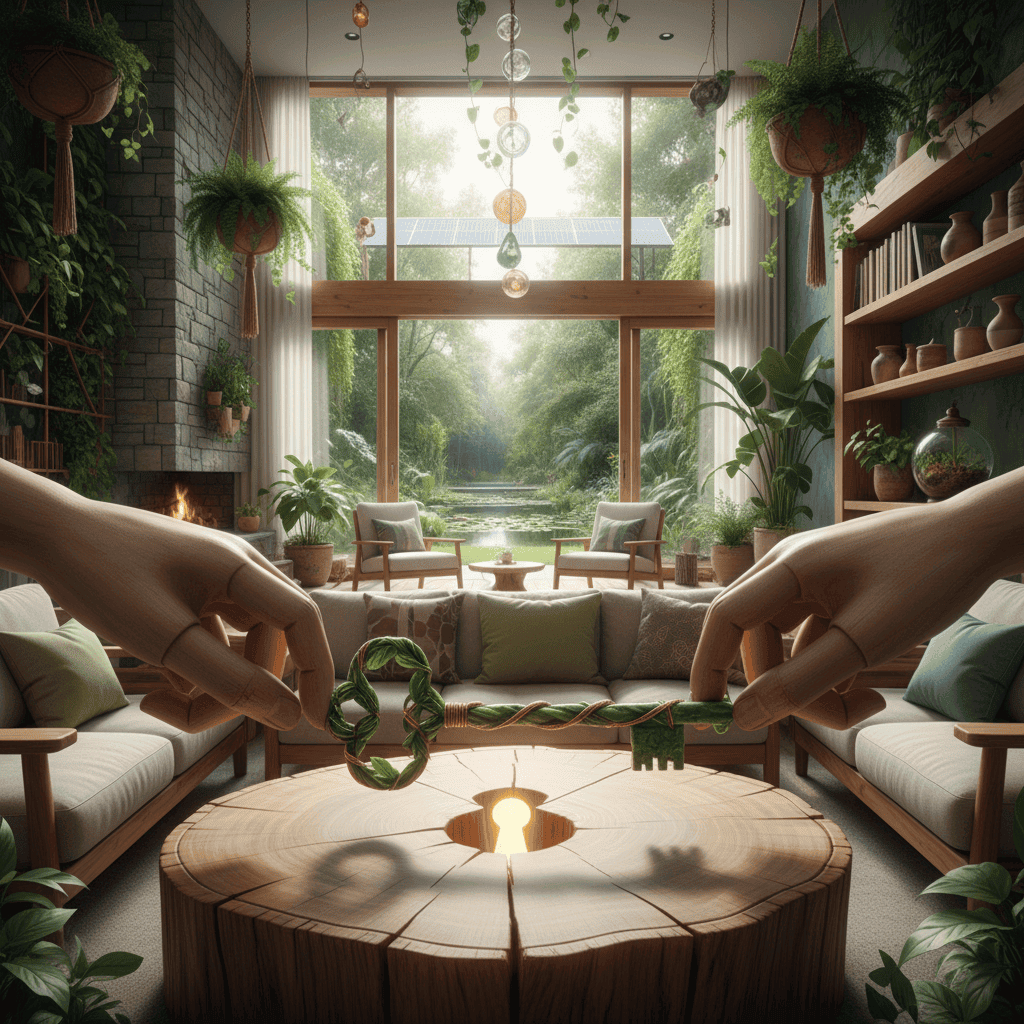
Creating a home that looks good and protects the planet is not just a fad but a smart way to live. Cutting waste, lowering bills, and feeling really comfy come from picking sustainable options. Places designed this way feel calm, balanced, and ready for daily life without hassle. This style fits people who want a home that saves money and helps the earth, yet stays cozy and welcoming. Soon, discover how tiny tweaks turn a house into a meaningful, lasting space worth loving. Keep reading—it’s worth knowing how simple moves make a big difference.
This article shows how to bring harmony into your home through sustainable methods that are realistic and attractive. You will read actionable tips, material recommendations, layout strategies, and cost considerations so every decision contributes to a coherent, livable environment.
Principles for Harmonious Home Design with Sustainability in Mind
A clear set of principles helps align design choices so rooms look unified while reducing environmental impact. Start with a few core ideas that will shape color, material, and layout decisions across the entire house.
- Consistency in palette Choose a simple color family and repeat it in each room to create flow and reduce the tendency to buy mismatched items.
- Durability over trend Select finishes and textiles that last. Long life reduces replacement waste and often offers better cost per year.
- Local sourcing Whenever possible pick regional materials and labor. This cuts transport emissions and supports nearby businesses.
- Low impact materials Prefer options with recycled content, low volatile organic compounds and certifications that indicate responsible production.
These guiding ideas keep choices simple and aligned. A unified approach avoids visual clutter and creates a home that feels calm and intentional.
Material Choices that Support a Cohesive Sustainable Interior
Material selection is where sustainability and design meet. Materials with good environmental credentials can also deliver texture, warmth, and longevity. Learn to evaluate both environmental performance and aesthetic value so each surface contributes to a coherent whole.
- Wood Select FSC certified or reclaimed wood for floors and furniture. It adds warmth and ages well.
- Natural fiber textiles Cotton, linen, wool and hemp are breathable and often easier to repair or recycle than synthetic blends.
- Stone and tile Use locally quarried stone or recycled-content tiles in areas with moisture. They are low maintenance and long lasting.
- Low VOC finishes Paints and sealants with low chemical emissions improve indoor air quality and keep interiors welcoming.
When comparing options check lifecycle data and maintenance needs. A seemingly higher initial cost can be justified by reduced upkeep and longer service life.
Layout and Flow Strategies for Comfortable Green Living
How rooms connect and how furniture is placed affects both comfort and energy use. A thoughtful plan reduces wasted space while improving daylighting and ventilation which lowers energy demand.
Zoning for Function and Energy Savings
Group rooms with similar heating and cooling requirements together. For example place bedrooms near each other and common living areas on the sunny side where passive heating can contribute. Smart zoning keeps HVAC use targeted and easier to manage.
Flexible Spaces that Reduce Waste
Create multipurpose rooms that can change with family needs. A study area that can convert to a guest room or a dining area that doubles as a workspace reduces the need to add new square footage and limits furniture turnover.
- Use sliding doors or open sight lines to keep rooms feeling larger without permanent additions
- Choose modular shelving and furnishings that can be reconfigured rather than replaced
- Plan storage into circulation paths to avoid clutter accumulating in transition areas
Lighting and Passive Systems to Cut Energy Use
Good lighting design is a major contributor to comfort and to lower energy consumption. Combine natural light strategies with efficient fixtures to maintain a consistent look and reduce bills.
- Daylight design Place living spaces where they receive morning or afternoon light depending on climate. Use light shelves or reflective surfaces to spread daylight deeper into rooms.
- Window performance Choose glazing with appropriate solar heat control and good insulation for your climate to balance light and thermal comfort.
- Efficient fixtures LED lighting with dimmable controls preserves a warm aesthetic while using a fraction of the power of older bulbs.
- Natural ventilation Cross ventilation designs reduce the need for mechanical cooling during mild seasons.
These measures add up to tangible savings and a more pleasant daily experience. Consider simple daylight studies or a lighting plan to make choices that work across seasons.
Furniture and Finishes that Pair Style with Environmental Care
Furniture and finishes are the visible language of a home. Choices should align with the overall palette and sustainability goals so rooms feel curated rather than random.
- Secondhand and vintage Seek quality used pieces. Solid hardwood and well made upholstery often have decades of life left and add character.
- Neutral anchors Use neutral sofas or dining tables as anchors and change softer elements like cushions and rugs for seasonal updates.
- Repair and refurbish Select items that can be repaired or reupholstered to extend life and reduce waste.
Mixing older, well made furniture with a few new sustainable pieces can create a layered, thoughtful interior without excess consumption.
Budgeting and Long Term Value of Sustainable Choices
Balancing upfront costs with long term returns is a key part of any sustainable home design. Some investments pay back quickly while others improve resale value or reduce long term expenses.
- Energy upgrades Insulation, efficient windows and better HVAC often have predictable payback periods and lower operating costs.
- Durable finishes Flooring and countertops that last reduce the frequency of replacement and save money over decades.
- Incremental approach Plan upgrades in phases to spread cost and let you learn what works best for your household.
Keep a simple spreadsheet tracking expected lifetime savings so you can compare options on an objective basis. This helps prioritize improvements that give the best value for your situation.
Case Examples and Practical Steps to Start Today
Real life examples help translate principles into action. A small apartment and a family home face different constraints but both can reach harmony through careful decisions.
Small apartment approach
Focus on light colors to expand perceived space, compact multifunctional furniture and window insulation. A few well chosen plants improve air quality and add a unifying natural element.
Family home approach
Plan durable flooring in high traffic areas, use zoned heating and cooling and pick furniture that can grow with family needs. Install a simple smart thermostat and consider water saving fixtures to cut utilities.
To explore a detailed project example that shows material lists, layout diagrams and budget estimates visit a dedicated resource that walks through step by step options in a real renovation. For readers who want a guided plan and examples that match these ideas here is a helpful link to learn more
Conclusion and Next Steps to Create a Harmonious Sustainable Home
Designing a harmonious home with sustainability in mind is both practical and satisfying. By committing to consistent palettes, durable materials, efficient systems and flexible spaces you create a living environment that looks unified and lowers environmental impact. Small decisions compound over time so start with simple actions that fit your budget and scale up from there.
Begin by auditing one room. Note materials that are worn or unnecessary, identify lighting and ventilation shortfalls and choose one durable replacement that improves both appearance and performance. Track the cost and the benefits so you build a library of proven choices that suit your lifestyle. When making bigger decisions use lifecycle information, local sourcing and maintenance expectations to guide purchases. If you prefer direct examples or a project plan to follow there are resources with step by step guidance and sample budgets to help you make choices with confidence.
Take a moment to make a list of three changes you can make in the next month. Whether it is replacing a bulb with an LED, adding a weather strip to a drafty door or selecting one secondhand piece to anchor a room these steps move your home toward a more harmonious and sustainable future. Act now and experience how small, intentional choices create long term benefits for your space and the planet.