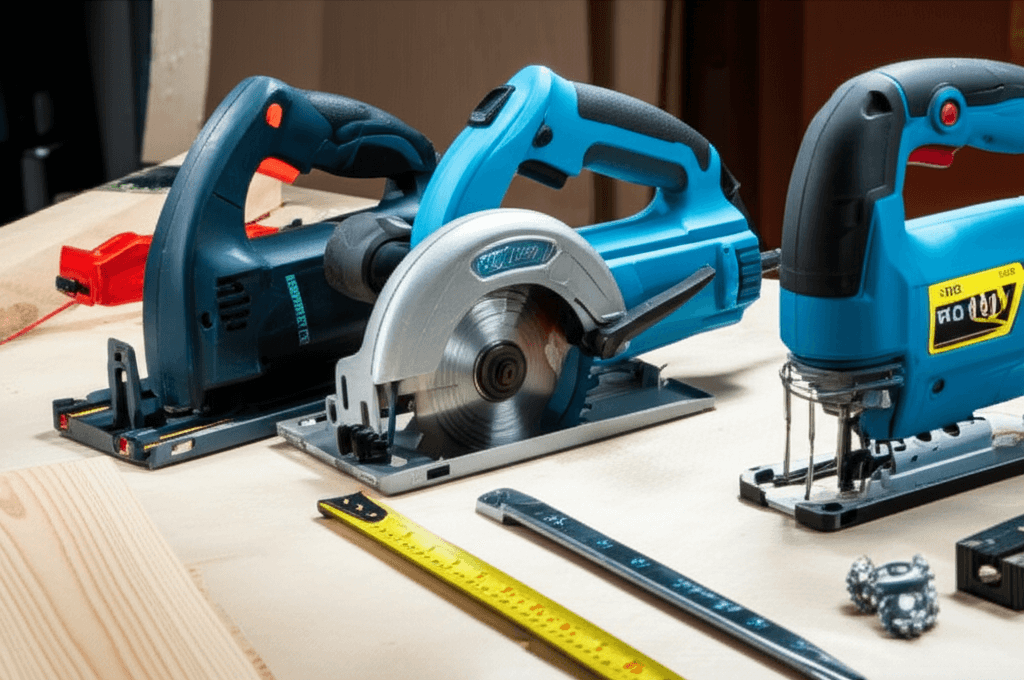
Rotary saws turn tough home projects into quick wins by slicing through drywall, cutting PVC, and shaping wood fast. Jobs that used to take hours get done in minutes when the right saw meets smart technique. Choosing the saw that fits the task and skill level brings clean cuts and fewer slip-ups. Anyone looking to save time and dodge headaches finds this tool a total game changer. Learning little-known tips on using a rotary saw can boost DIY skills big time. See how simple tricks turn tricky cuts into smooth success, and the next project will feel like a breeze. Keep going to uncover the secrets that make rotary saws unbeatable for home fixes.
In this article I will walk through how to choose a rotary saw for home projects, the features that matter, safety practices, common uses, care and maintenance tips, and where to find good value without overspending. You will get practical examples that apply to common household tasks. Read on to learn how to pick a rotary saw that gives reliable results for years.
How to choose the right rotary saw for home projects
Start by listing the tasks you expect to do. Small trim work, undercutting door jambs, cutting metal conduit, or removing grout all place different demands on the saw. For basic home repairs and weekend projects a compact, corded rotary saw with a 4 inch blade capacity usually covers most needs. If you plan to work where there is no power outlet, a cordless model with a battery of at least 18 volts and a brushless motor will give better runtime and longer life.
Consider ergonomics and weight. A lighter saw is easier to control during plunge cuts and overhead work. Look for a model with a comfortable front grip, a secure rear handle, and vibration dampening. If you expect to use the saw for extended periods, test the balance if possible. Power alone will not make a saw right for smaller tasks if it feels awkward in your hand.
Essential features to look for in rotary saws for home projects
Not all rotary saws are created equal. Below are features that affect performance and ease of use for home projects.
- Blade size and types 4 inch blades are common and have many aftermarket options such as wood, metal, and diamond grit. Larger blades cut deeper but add weight and require more power.
- Variable speed control lets you slow the blade for delicate materials and increase speed for quick cuts in wood. Variable speed also helps prolong blade life when cutting metal.
- Safety guard and depth stop are valuable for repeatable depth cuts and to prevent the blade from cutting beyond the intended plane.
- Quick change blade system reduces downtime when switching blade types. This is especially helpful during renovation work that mixes materials.
- Dust management keeps the work surface cleaner and improves visibility. Some models include dust ports that accept a small shop vac hose.
Power and speed
For most home projects a saw with 5 to 7 amp range for corded models or an 18 volt battery system for cordless models is ideal. Look at no load RPM ratings to compare cutting aggressiveness. Higher RPMs cut faster in wood but may be tougher to control in hard materials. If you plan to cut metal, choose a saw with lower speed settings and use the correct blade.
Attachment compatibility and accessories
Many manufacturers sell accessory kits that include wood and metal blades, diamond grit wheels, and wrench tools. Buying a saw that accepts standard blade sizes makes sourcing replacements easier and often cheaper. If you plan to use the saw on masonry or tile, confirm which diamond wheels will fit the arbor size.
Safety tips and setup for rotary saws in home projects
Rotary saws are powerful and fast. Respect the tool and follow these safety steps to reduce the chance of mistakes or injury.
- Wear eye protection and hearing protection at all times. Particles travel fast and can cause eye injury.
- Clamp or secure the workpiece. A small sheet of plywood or a fixture prevents sudden movement when the blade bites in.
- Confirm the blade is appropriate for the material and that it is tightly secured. Loose blades create wobble and poor cuts.
- Keep a two handed grip for plunge cuts. Use the auxiliary front handle if your model has one.
- Allow the motor to reach full speed before touching the material. When finished, wait for the blade to stop turning before setting the tool down.
- Unplug corded tools when changing blades. For cordless saws remove the battery first.
Common home projects where rotary saws shine
Rotary saws are excellent for tasks that are awkward for circular saws and too large for oscillating tools. Here are practical examples and the approaches that work well.
- Undercutting door jambs to fit new flooring. A rotary saw with a wood blade makes a clean angle cut through jamb and stop without removing the whole frame. Use a scrap piece as a guide and take shallow passes until the fit is right.
- Cutting drywall for electrical boxes when openings are not square. A small plunge blade or multi material wheel lets you cut exact holes from the front face without a lot of mess.
- Removing grout or tile edge work with a diamond wheel sized for the saw. Work in short bursts and keep a steady hand so adjacent tiles are not damaged.
- Trimming small metal conduit or piping with an abrasive wheel. Hold the cut point steady and use a clamp to keep the piece from twisting.
- Shaping wood trim and molding for custom profiles. A rotary saw can remove small amounts quickly and is a time saver when creating consistent notches.
Maintenance and care to extend tool life
Simple maintenance keeps a rotary saw reliable for years. Follow these routine steps to reduce wear and keep performance high.
- Clean vents and housing after dusty jobs. Compressed air or a soft brush prevents dust build up that can overheat the motor.
- Lubricate moving parts per the manufacturer recommendations. A small drop of light machine oil on the pivot points can prevent squeaks and stiffness.
- Inspect brushes if your saw uses a brushed motor. Replace brushes when they reach the minimum length listed in the manual to maintain power output.
- Sharpen or replace blades regularly. Dull blades force the tool to work harder and increase heat which shortens life of both blade and motor.
- Store the saw in a dry place and remove batteries from cordless models if they will be unused for long stretches.
Choosing value options and finding the right price point
There are quality rotary saws at many price points. For homeowners who need a tool for occasional use, mid range models combine useful features and longevity without a steep price. If you expect to use the saw often on renovation projects a model with better dust control and a brushless motor may be worth the extra investment.
For budget conscious buyers I put together a list that shows the most reliable options at several price levels. That page sorts choices by blade size, power, and feature set which makes side by side comparison simple. If you want to see a curated list of affordable choices click this link to view the best rotary saws on a budget and decide which model matches your needs.
Practical tips for cleaner and safer cuts
Little habits make a big difference when using a rotary saw around the house. Try these tips to improve results and increase confidence.
- Mark cut lines with a sharp pencil and use masking tape to reduce splintering on plywood and trim.
- Make shallow passes instead of a single deep cut. This lowers the chance of kickback and produces a cleaner edge.
- Use a sacrificial backing board when cutting thin material to prevent blowout on the exit side.
- When cutting metal, clamp the piece and use cutting oil for smoother action and longer blade life.
- Practice plunge cuts on scrap material to get a feel for the trigger, pressure, and blade contact before working on the actual piece.
When a different tool is a better choice
Rotary saws are versatile but not universal. For long straight rip cuts in full sheets of plywood a circular saw is faster and provides a straighter edge. For sanding and finish shaping of exposed wood a random orbit sander or a hand plane will leave a nicer surface. For demolition where speed matters and tolerance is low a reciprocating saw can remove material more quickly.
If you find that you are doing a lot of repeated cuts or large scale work reconsider your tool selection. A specialized saw for the task will often reduce fatigue and give cleaner results over many hours of use.
Finally, factor in replacement blade availability and cost when choosing a model. A saw with hard to find blades will become more expensive to operate in the long run even if the initial price looks attractive.
Rotary saws for home projects offer a lot of capability in a small package. Selecting a tool that matches the type of work you do, following safety steps, and maintaining the saw will make it a reliable part of your toolbox for years. If you are ready to shop, review options across price ranges and pick the model that gives the features you need without paying for extras you will not use.