Caregiving feels like a wild storm crashing in fast, with medicine schedules, doctor visits, and safety checks all packed in alongside work and daily tasks. Juggling everything burns out many family caregivers and builds a heavy cloud of stress. Missing a moment triggers a guilt that sticks like a stubborn shadow. If that hits home, you’re not alone—this fight is familiar to many. Seeing these challenges clearly can unlock little pockets of calm to catch a breath and reset. Find out how to lighten that heavy mind load and stand firm when life turns stormy. Keep going—because learning these secrets makes all the difference.
This article looks at practical ways medical alert systems reduce caregiver guilt and lower mental load. You will read evidence based observations real life examples and step by step tips to make technology a helpful part of family care. The tone is conversational and practical so you can pick up ideas today and apply them tomorrow.
Why caregiver guilt and mental load build up in families
Guilt often comes from a mix of expectation and uncertainty. Family members expect themselves to do more than is realistic. At the same time there is uncertainty about how to respond to emergencies when you are not with the person who needs care. That combination produces intrusive thoughts interrupted sleep and constant checking behavior.
Mental load is the ongoing cognitive effort required to remember appointments medication changes device batteries and contact information for providers. Studies show that caregivers frequently report higher rates of anxiety and depression than non caregivers. A major driver is the continuous low level planning and monitoring that never fully turns off.
What medical alerts are and how they function in daily care
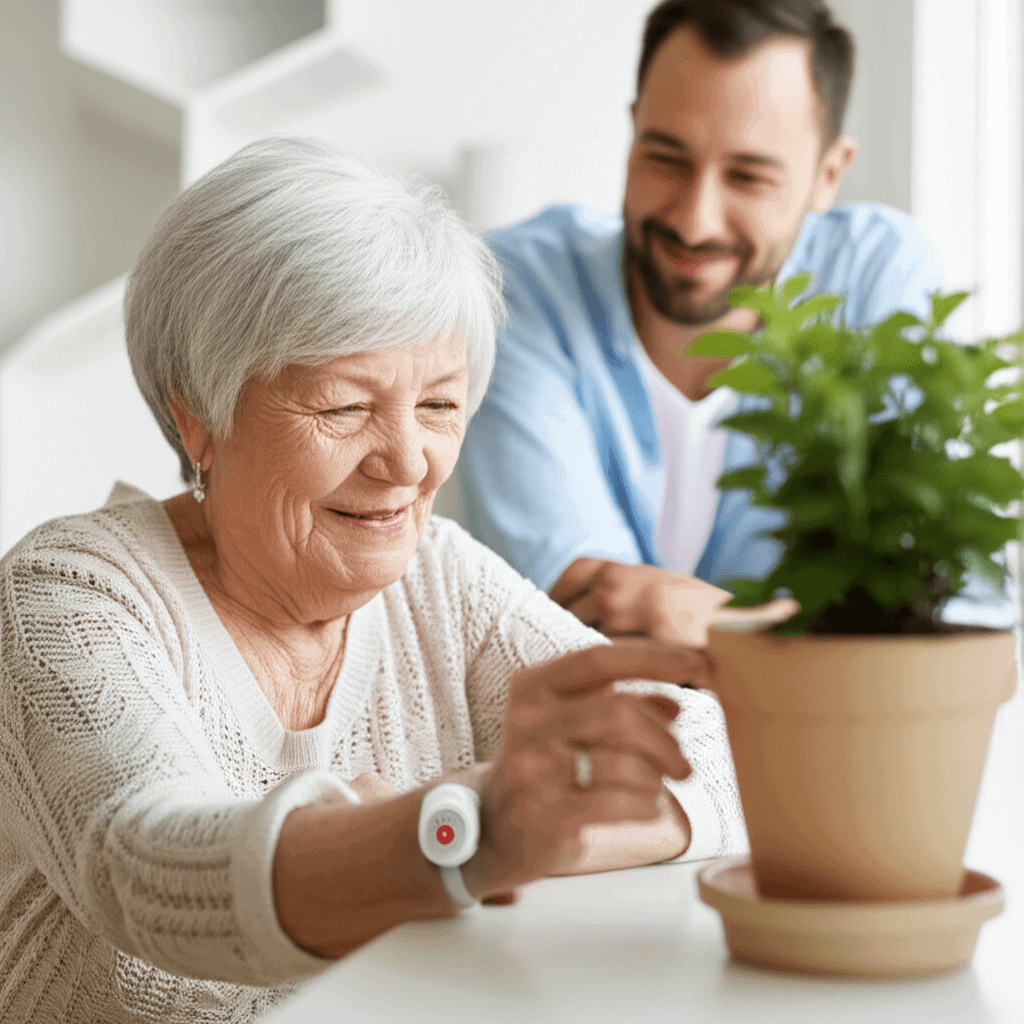
Medical alerts are devices and services designed to connect a person with help quickly when a fall or medical issue occurs. They typically include a wearable button or automatic fall detection and a monitoring center that answers calls. When activated the system connects to trained staff who can call family members emergency services or a chosen contact list.
Types of devices you will encounter
- Wearable pendants or wristbands that trigger a call when pressed
- Home based units that work with a base station and landline or cellular service
- Smartphone apps that combine location tracking with emergency response
- Devices with automatic detection features that signal help without the user pressing a button
Common features and what they mean for caregivers
Key features that affect caregiver mental load include response time monitoring logs and multi person notification. Response time matters because a quick human voice can calm a frightened older adult and reduce escalation. Monitoring logs allow family members to review response history so surprises are less likely. Multi person notification spreads responsibility so one caregiver is not the only person alerted during an event.
How medical alerts reduce caregiver guilt and mental load
There are several concrete pathways from an alert in the home to less guilt for the family caregiver. First a reliable alarm means fewer imagined worst case scenarios which lowers rumination. Second automatic detection reduces dependency on the older adult to press a button when they cannot. Third clear response protocols transfer part of the emotional labor to trained responders which relieves constant planning for emergencies.
Consider a caregiver who is working across town and worries about a parent at home. With a monitored device the caregiver can receive a call or text if a fall occurs. That notification gives actionable information so the caregiver can call an ambulance or contact a neighbor. The mental load drops because the caregiver no longer has to run through hypothetical steps in their head every hour of the day.
Real life examples and measurable benefits
Example one
Maria checks in by phone with her mother after work and worries about bathroom falls. After installing a home based medical alert her mother activated the system when she did fall. The monitoring center spoke to her mother and contacted Maria and emergency services. The incident was resolved and Maria reported less frequent late night worry calls because she had confidence that help would be available immediately.
Example two
Samuel lives three hours away and is the primary caregiver for his father. He chose a device with location services and multi contact alerts. When his father had a sudden episode at a park a passerby used the wearable to contact the response center. Samuel received a notification and could coordinate with local emergency services. He later said the notification system reduced the guilt he used to feel about not being physically near his father.
Measured benefits reported in user surveys include fewer emergency room visits from delayed response quicker connection to help and reduced self reported caregiver stress. Those outcomes appear most significant when the alert system is part of a wider plan that includes neighbors online care circles and local emergency contacts.
Practical tips for integrating medical alerts into family routines
Introducing a new device can be a sensitive moment. Use these practical steps to ease adoption reduce conflict and keep everyone comfortable.
- Start with a family discussion that treats the device as one tool among several rather than as a replacement for personal visits
- Choose a device with a trial period so the older adult can try it without long term commitment
- Set up contacts and response preferences together with the person who will wear the device
- Practice drills to get used to the voice from the monitoring center and to check response times
- Schedule regular reviews of device performance and battery status so small problems are caught early
If you want practical step by step ideas for staying connected from a distance check this page for useful remote caregiving tips that families commonly share and adapt.
How to choose the right plan for your situation
Selecting the best system involves matching features to the most frequent risks and daily routine of the person who needs help. Consider these decision points when comparing plans.
- Coverage area and whether the device works outside the home for people who leave the house regularly
- Automatic detection features versus manual activation depending on cognitive and mobility status
- Notification pathways and whether multiple family members can receive alerts
- Cost structure including upfront equipment fees monthly monitoring charges and any cancellation terms
- Response center staffing and whether they use trained people who can remain calm and follow instructions
Ask vendors about average response times how false alarms are handled and whether there is a way to pause notifications during known appointments. Have a short list of scenarios and ask how the provider would handle each one. That way you move from marketing promises to practical reality.
Addressing common concerns family members raise
Concern about privacy is common. Explain that many systems limit data sharing to specified emergency contacts and monitoring staff. Read the privacy policy and verify what information is stored and who can view it. If privacy is a major worry look for a plan that keeps logs local and provides minimal third party access.
Worries about over reliance on technology are understandable. Frame the device as one layer in a layered approach. Combine it with social check ins caregiver schedules and local community support to keep human contact central. The goal is to reduce unnecessary stress while maintaining dignity and social connection.
Quick checklist to lower caregiver guilt and mental load
- Create a written emergency plan that names contacts steps and location of important documents
- Pick a device with the features most aligned to daily life and test it for at least a month
- Share monitoring access with a small circle to spread responsibility and reduce single person burnout
- Set routine times for non urgent checks so constant background worry is minimized
- Keep a list of local resources such as neighbor groups and community paramedicine programs for backup
When you follow a short checklist and pair a device with clear roles and regular communication the relentless mental spinning that drives guilt tends to quiet. This creates more space for quality time and relationship focused caregiving.
Conclusion
Caregiver guilt and high mental load are common and understandable reactions to the responsibility of caring for a loved one. Medical alerts do not remove the heart work of caregiving. They do reduce the constant cognitive load by providing a reliable point of contact in emergencies documented response history and options for multi person notifications. That reduced load translates directly into fewer intrusive worries better sleep and a clearer ability to focus during times when you are present with the person in your care.
If you are considering adding an alert system start with a short trial involve the person who will wear the device in the selection process and map out a simple emergency plan that names local contacts and steps to follow. Use practice calls so everyone knows what to expect and assign monitoring access to at least two people to share responsibility. Over time the combination of technology human presence and community support can shift caregiving from constant crisis management toward calmer predictable routines.
Take one small step today. Compare two or three plans side by side and reach out to your loved one to ask how they feel about trying a device for a month. If possible set up a test call with the monitoring center so you and your family experience the human voice on the other end. A few practical moves like these can reduce guilt lower mental load and help caregivers be more present when it matters most.