
Clogged drains ruin your day fast. Imagine a sink that drains slower than a turtle or a toilet making weird gurgling sounds after every flush. Sometimes, water hangs out under the shower like a tiny pond. That means something is stuck in the pipes, like a boulder blocking a river’s path. Many grab chemical cleaners or a drain snake first. Sure, those might fix little clogs. But often, they just shove the problem deeper, like slapping a bandage on a deep cut. To beat those tough clogs for good, knowing what really works matters big time. Learn the tricks plumbers use and keep your drains flowing smooth with no nasty surprises. Keep reading—your pipes will thank you.
Hydro jetting is a different approach that uses high pressure water to clear pipe walls and restore full flow. This article explains how hydro jetting restores drain flow with clear examples, practical tips, and what to watch for before and after service.
How Hydro Jetting Restores Drain Flow and What It Targets
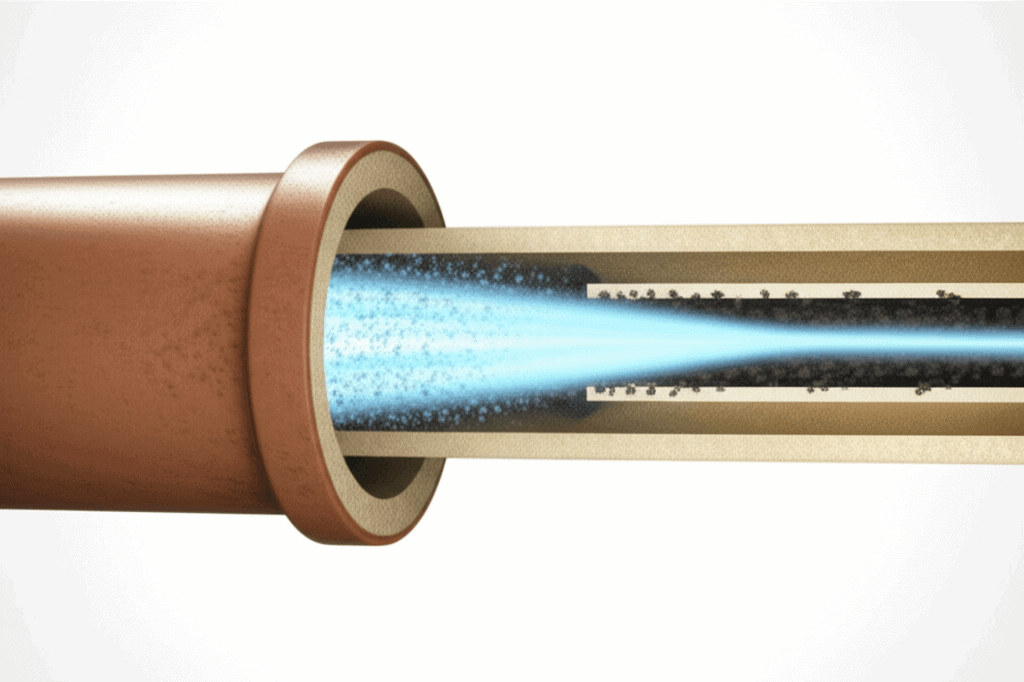
Hydro jetting uses a specialized hose with nozzles that spray water backward and forward at very high pressure. The force breaks up grease, soap residue, tree roots, mineral scale, and other debris attached to the inside of the pipe. Unlike snaking which cuts through a single blockage point, hydro jetting removes the film and buildup that reduces diameter across a long section of pipe.
When a pipe regains its full internal diameter the flow rate increases significantly. That reduces the chance that small particles will be trapped and form a new blockage. In short the process returns the drain to near original capacity rather than temporarily moving a clog downstream.
Common Causes of Blockage and When Hydro Jetting Is the Right Choice
Not every clogged drain needs power washing. Typical causes include grease from kitchens, hair and soap in bathrooms, mineral deposits in hard water areas, and intrusive roots in older sewer lines. Hydro jetting works best when buildup is widespread or when recurring clogs keep returning even after mechanical snaking.
- Grease and soap residue create sticky layers that trap debris
- Hair and soap scum combine into mats that narrow pipes
- Mineral scale forms hard coatings inside older metal pipes
- Roots invade through joints and create long obstructive masses
If you have repeated slow drains, toilets that back up intermittently, or yard areas that sink near a mainline, hydro jetting may be the most effective repair method because it addresses the cause across a long stretch of pipe.
Step by Step Process of a Hydro Jetting Service
Understanding the sequence of work helps set expectations. A typical job follows these stages so the homeowner knows what to expect and can prepare for a clean operation.
Inspection and Access
First, a camera inspection is often performed to locate the blockage and assess pipe condition. The technician notes pipe material, diameter, and any fractures. That data informs pressure settings and nozzle selection. Camera footage is useful evidence showing the before and after condition.
Jetting Operation and Cleanup
Next the hydro jetter hose is fed into the pipe from a cleanout or drain opening. Pressures range from medium for household lines to very high for main sewer lines. The technician advances and retracts the hose to direct jets at the pipe walls and to push debris toward the sewer or septic tank. After jetting another camera pass confirms clearance. The work area is then cleaned and any removed debris is disposed of properly.
Benefits of Hydro Jetting Versus Traditional Methods
There are distinct practical advantages to hydro jetting. First, it removes buildup across an extended section so flow is restored more fully. Second, it reduces the frequency of future blockages because sticky films and deposits are cleared out. Third, it is safe for most pipe materials when performed by a trained operator who uses the right pressures and nozzles.
For example a kitchen line clogged with grease may clear temporarily with a snake. Grease remains on the walls and solidifies again. Hydro jetting flushes that grease out so the pipe returns to a smooth interior. That is why technicians often recommend jetting for commercial kitchens and homes with frequent clogs.
Safety Considerations and Limitations
Hydro jetting demands respect for pressure and equipment. Too much force in fragile or badly cracked pipes can worsen damage. That is why a camera inspection and pressure control are important steps. A well trained technician sets pressure to match pipe age and material and avoids stressing weakened joints.
Limitations include older clay pipes with severe joint separation and very brittle cast iron with deep corrosion. In these cases hydro jetting can reveal damage that requires repair. When jetting exposes a need for pipe replacement it helps prioritize long term fixes instead of repeated temporary repairs.
Signs Hydro Jetting Worked and When to Schedule Follow Up
After a successful jetting the most obvious sign is rapid drainage. Faucets and showers clear almost instantly. Toilets flush with normal force and gurgling noises disappear. Another indicator is the absence of recurring slowdowns over the following months. For commercial sites or households with heavy grease or tree root pressure schedule preventive jetting annually or on a maintenance cadence based on use.
- Fast draining sinks and tubs
- No gurgling or backups during heavy use
- Camera footage showing clean pipe walls
- Less need for emergency repairs
Maintenance Tips to Extend the Benefits of Hydro Jetting
Once the lines are clear there are simple habits that help keep them that way. In kitchens avoid pouring cooking oil down the drain. Wipe pans and collect grease for disposal. Use strainers in sinks and shower drains to catch hair and larger scraps. For yards monitor trees planted near sewer lines and consider root barriers for aggressive species.
Regular inspections can catch small problems before they become major. A periodic camera evaluation combined with preventive jetting at an interval that matches household or business use will reduce emergencies and prolong pipe life.
Cost Factors and How to Choose a Service Provider
Pricing varies based on pipe length, severity of buildup, access complexity, and whether a camera inspection is included. Simple single drain jobs will cost less than a full mainline clean. Look for providers who include pre and post camera inspection and who explain pressure settings and safety steps. Ask about waste disposal and cleanup practices so the job leaves no mess behind.
Local providers can give faster response times when emergencies occur. For example homeowners seeking fast, reliable help for stubborn clogs can consider local specialists who list hydro jetting as a primary service. One option in the area offers professional plumbing and sewer care including high pressure cleaning and inspection tools that match common residential needs
For a quick reference to a local option use this resource for Frisco drain cleaning services when you want a team experienced with camera work and high pressure equipment
Choosing Between Repair and Replacement After Jetting
Hydro jetting sometimes reveals structural problems. If the camera shows cracks, root intrusion through joints, or collapsed sections you will face a repair decision. Small repairs may follow jetting with spot repairs and seals. Larger damage may require pipe replacement or rerouting. Jetting helps make that decision clearer because the technician can see the real condition instead of guessing based on symptoms alone.
When evaluating quotes compare the projected life span after repair and whether the provider warranties their work. The most practical quotes consider long term reliability as well as upfront cost.
Hydro jetting restores drain flow by removing the actual material that reduces pipe diameter and by flushing debris out of the system. It is a practical solution for recurring clogs, grease filled lines, and root invaded sewers. When performed with the correct pressure and proper inspection it returns pipes to near original capacity and reduces the frequency of emergency calls.
If you have repeated clogs or a slow mainline consider scheduling a camera inspection and a professional jetting service to diagnose and resolve the issue. For local options that provide camera evaluation and professional jetting check this resource Frisco drain cleaning services. Acting now can save time and money compared with repeated temporary fixes and the peace that comes with reliable drains is noticeable in daily life.


