
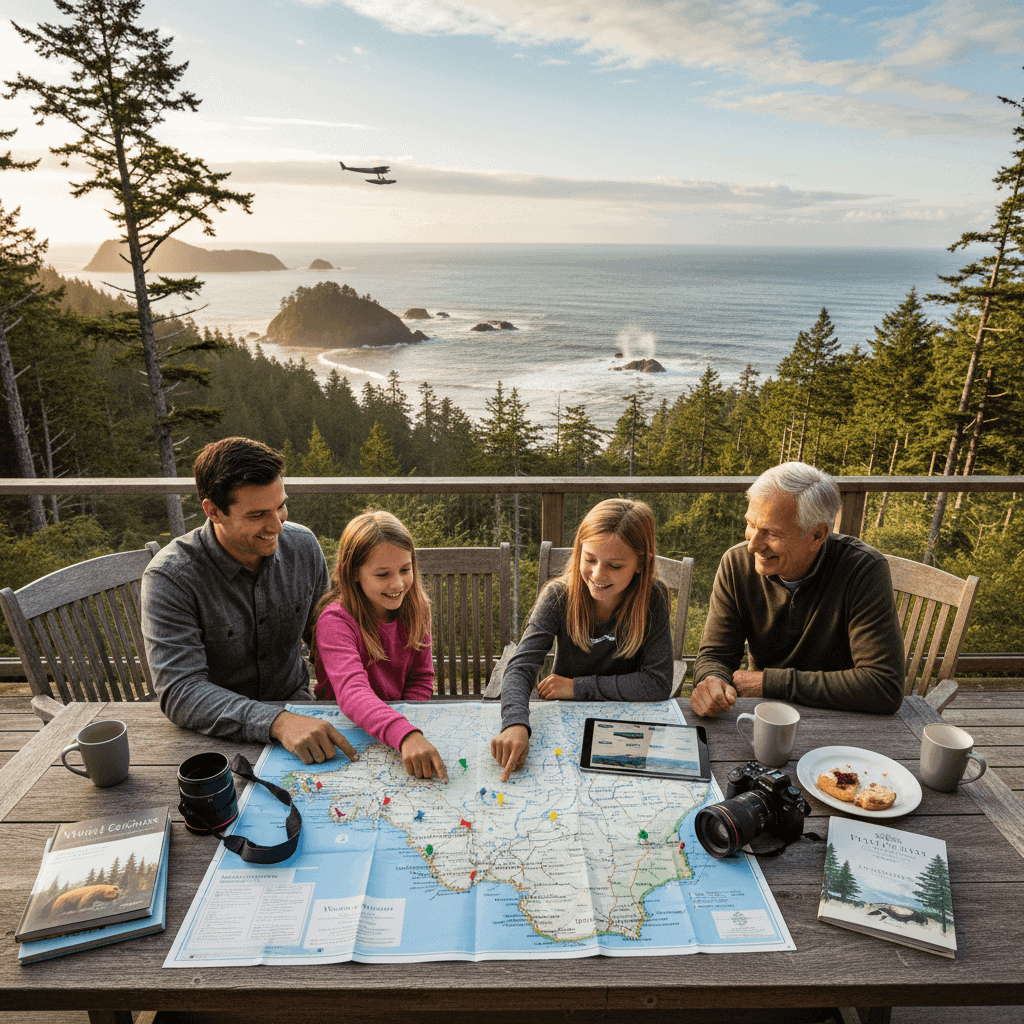
Planning a trip to Canada’s Pacific Coast feels like solving a colorful puzzle. The place blends busy cities, lush rainforests, sandy beaches, cool sea animals, and rich culture, making it perfect for people who want a bit of everything. Picking the right time to visit, where to stay, how to get around, and what fun things to do can help keep the fun rolling and headaches away. Dive into this adventure and discover how to get the most out of every moment.
This article is a step by step companion that walks through the practical choices that matter most. Expect packing tips that match coastal weather, travel time estimates that help you set realistic daily plans, and activity options that balance nature, learning, and play. Use the advice below to shape a family trip that feels relaxed and rich with memories.
How To Plan A Perfect Family Trip To Canada Pacific Coast Practical Overview
Start with a simple framework. Pick a travel window, choose one or two main hubs to limit transfers, and decide on a rhythm for days. For example plan three nights in a city like Vancouver for museums, aquarium visits and easy day trips. Then move to a coastal base such as Tofino or Victoria to focus on beaches and wildlife. Keeping transfers to two or fewer per trip reduces time spent on the road and increases time for experiences.
Consider travel time between hubs when you set length for the trip. Ferry crossings from the mainland to Vancouver Island typically take about one and a half hours for the ferry from Tsawwassen to Swartz Bay. Driving from Vancouver to Tofino requires a combination of scenic highways and a ferry option for certain routes and can take a large portion of a day. A realistic family plan often groups travel legs around mornings or late afternoons to match napping schedules for younger children.
Picking Dates and Weather Considerations On The Pacific Coast
Best months for family travel
Late spring through early fall is the most popular season for coastal travel. July and August have the warmest daytime temperatures and the most stable weather. June and September offer fewer crowds and mild weather with similar wildlife viewing opportunities. If your family prefers lower prices and fewer visitors, aim for late spring or early fall.
What to expect weather wise
Coastal weather is known for quick changes. Plan for sun and light rain in the same day. Packing layers and quick drying clothing reduces stress. Temperatures in summer often sit between twelve and twenty three degrees Celsius depending on the specific coast town. Rain is most common in the shoulder seasons and in rainforest zones around Ucluelet and Tofino.
Choosing Where To Stay Family Friendly Bases
Base choices shape the daily feel of a trip. Below are practical options for family friendly stays and what they offer.
- Vancouver and nearby suburbs Ideal for flights, museums and short nature walks. The city offers a large aquarium that tends to be a hit with younger children and parks that are stroller friendly.
- Victoria Compact and walkable with a calm harbor and kid oriented museums. Ferries and float plane options connect Victoria to the mainland. Victoria is good for families who prefer shorter travel times between activities.
- Tofino and Ucluelet Best for families who want beaches, surfing lessons for older children, and tide pooling. Expect more rustic lodging and restaurants that welcome children.
- Gulf Islands Quiet island stays that offer short hikes, beaches and a slower pace. Ferries and small plane services link these islands to the mainland and Vancouver Island.
Getting Around Ferry Routes driving and local transport
Transport on the Pacific Coast mixes ferries, ferries reservations and local roads. Book popular ferry routes in advance during summer. If your family brings a car factor extra time for vehicle loading and unloading. Some itineraries replace long car legs with short local flights to save time when schedules are tight.
- Reserve main ferry crossings early to get preferred departure times.
- Plan driving segments for mornings to avoid late afternoon traffic and to match children evening routines.
- Use local transit passes in cities to avoid parking fees and to teach kids about public transport etiquette.
Activities For Kids and Teens Along Canada Pacific Coast
Balance is key. Combine interactive indoor attractions with outdoor time that allows children to move freely. A sample activity mix looks like this.
- Marine wildlife viewing Whale watching trips run year round with seasonal peaks for different species. Choose operators that limit group size and provide binoculars and basic orientation for children.
- Beaches and tide pooling Look for broad sandy beaches with shallow pools. Check low tide times and supervise closely around tidal channels and rocks.
- Hands on learning centers Aquariums, small natural history museums and visitor centers offer touch tanks and guided programs that are good for rainy days.
- Light adventure options Short guided hikes, kayak outings for older kids and beginner surf lessons in towns that offer youth programs.
Packing Tips safety and wildlife etiquette
Packing for the coast needs flexibility and practical items that protect the family in rain or sun. The list below covers the essentials to include in a carry bag and checked luggage.
- Layering pieces that dry quickly and fit over each other.
- A light waterproof jacket for each family member and a rain cover for strollers.
- Comfortable walking shoes that can handle muddy trails and rocky beaches.
- Sunscreen and hats even on cloudy days.
- Reusable water bottles and small snacks for long drives and trail time.
Wildlife rules matter and vary by area. Keep a safe distance from marine mammals and birds. Do not approach or try to feed wildlife. In areas with bears follow local guidance such as storing food in approved containers when camping and making noise on trails when visibility is limited. Carry a basic first aid kit and know the location of local clinics in the towns you plan to visit.
Budget planning and sample itinerary options
Budgeting for a coastal family trip should include transportation, lodging, meals, activities and a buffer for unexpected items. Typical daily costs vary by style of travel and season. As a rough guideline mid range families might plan for daily costs that include lodging meals and modest activities starting from a modest amount per day for a family of four in shoulder season and higher amounts in peak summer months. Booking some key items early such as ferries and popular activities can reduce last minute premium pricing.
Sample itineraries offer a practical way to see how days flow. A seven night option might include three nights in Vancouver and four nights on Vancouver Island with a mix of museums beach time and a whale watching excursion. A ten night option could add a Gulf Island stay for two nights to slow the pace and include more nature time. For a ready made route map and family checklists visit For Something More to see examples that other families have used.
Tips for keeping the trip fun and manageable
Small choices reduce stress and increase enjoyment. Try these practical moves.
- Build in downtime days with flexible activities such as a playground visit or a beach afternoon.
- Let each child pick one activity for the trip so they have something to look forward to.
- Use a shared calendar or whiteboard in your hotel room to show the plan for the day and the estimated travel time.
- Pack a small kit of comfort items and favorite snacks for transitions during travel legs.
- Check local event calendars for seasonal festivals and family friendly events that add free or low cost fun.
Final logistics matter. Carry physical copies of important confirmations and a compact phone charger for long ferry trips. If you rent a vehicle verify child seat rules and availability before you arrive. Many rental companies can provide compliant seats but arranging this ahead of time saves waiting on arrival.
Conclusion
Planning a family trip to Canada Pacific Coast rewards careful time choices and realistic travel pacing. Choose one or two bases to keep transfers manageable and pick activities that mix indoor learning with outdoor exploration. Pack layers and rain gear, reserve ferries and popular activities early in busy months and build in downtime so children stay happy. By setting simple rules such as one main activity per day and a flexible travel window you increase the chances that the trip will run smoothly and feel relaxed for every family member. Now is the time to set one realistic start date and sketch a basic route. With that foundation you can fine tune lodgings and activity bookings and create a family vacation that blends nature, learning and play. If you are ready to transform ideas into a day by day checklist start by selecting your season and main bases then book key travel segments. Safe travels and enjoy the coast with your family.


